Toggle Side Panel
Root in NatureRoot in Nature
  • GrowTH Network
  • Courses
    • All Courses
    • TH Certificate Program
    • Introduction to TH
    • TH Certificate Course
    • Testimonials
  • For Organizations
    • Team Training & Resources
    • Colleges & Universities
    • Primary & Secondary Schools
  • About & Updates
    • About Therapeutic Horticulture
    • About Us
    • Newsletters & Blog
    • News & Media
    • Our Partners
    • Contact
  • Research Database
More options

    Shopping Cart

    No products in the cart.

    Sign in
    • GrowTH Network
    • Courses
      • All Courses
      • TH Certificate Program
      • Introduction to TH
      • TH Certificate Course
      • Testimonials
    • For Organizations
      • Team Training & Resources
      • Colleges & Universities
      • Primary & Secondary Schools
    • About & Updates
      • About Therapeutic Horticulture
      • About Us
      • Newsletters & Blog
      • News & Media
      • Our Partners
      • Contact us
    • Research Database
    • Login
    Close search
    RESEARCH

    Increasing Prevalence of US Elementary School Gardens, but Disparities Reduce Opportunities for Disadvantaged Students

    From 2006 to 2014, the percentage of U.S. public elementary schools with garden programs increased from 11.9% to 31.2%. However, schools serving lower-income students were significantly less likely to have gardens, showing that access remains unequal despite the growth of these programs.
    Program Types: Social
    Population Groups: Children/Youth, Students
    Setting or Context: Schools/Educational Settings, Community Gardens, Urban vs. Rural Settings
    Health and Wellness Outcomes: Improved Cognitive Function, Improved Physical Health, Better Nutritional Awareness, Increased Social Engagement & Skills, Increased Horticultural Knowledge
    Allied Profession Intersections: Landscape Design, Education
    Type of Activity: Outdoor Gardening, Edible Plant Gardening, Meal/Diet-Based Activities, Environmental Education
    Evidence Type: Peer-Reviewed Studies, Quantitative Research
    Measurement and Evaluation: Standardized Assessment Tools, Program Effectiveness
    Access: Free
    [print-me target=".elementor-location-single" do_not_print=".other-activities, .print-btn, #tag-container" title="Print Form" role="button"/]
    Print / Save as PDF

    Summary

    This study looked at how many public elementary schools in the U.S. have garden programs, how that number has changed over time, and whether some schools are more likely to have gardens than others. From 2006 to 2014, the number of schools with gardens grew significantly—from about 12% to over 31%. However, the study also found big differences based on region, income level, and school setting. Schools in the western U.S. and urban areas were much more likely to have gardens, while schools in rural areas, small towns, and those serving low-income students were less likely to have them.

    The study showed that schools with gardens were also more likely to offer nutrition education and be part of farm-to-school programs, which help kids learn about and access fresh fruits and vegetables. While school gardens can improve kids’ knowledge about nutrition, increase their willingness to try new vegetables, and even help them do better in science, many schools—especially those with fewer resources—still don’t have access to them. The researchers suggest that more funding, support, and community involvement are needed to expand these programs, especially in disadvantaged schools where they could make the biggest impact.
    Link

    Turner, L., Eliason, M., Sandoval, A., & Chaloupka, F.J. (2016). Increasing prevalence of US elementary school gardens, but disparities reduce opportunities for disadvantaged students. J Sch Health., 86(12), 906-912


    Other Recommended Research

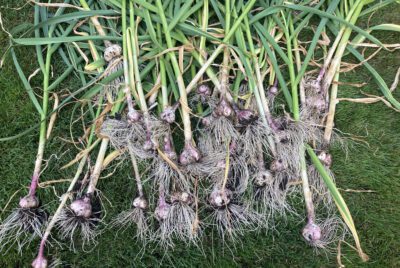
    Growing Garlic

    Participants learn about the life cycle of garlic while planting garlic cloves.

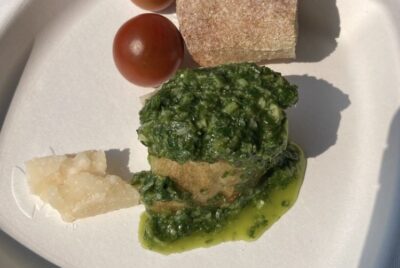
    Garlic Scape Pesto

    Participants create a flavourful pesto featuring seasonal garlic scapes, which have a milder garlic flavour than the actual garlic bulb.

    Fruit-Themed Opening or Closing Round

    A set of fruit-themed questions useful for opening or closing a session.

    ‘Into the Wild’: A meta-synthesis of talking therapy in natural outdoor spaces

    This Meta-synthesis highlights the benefits of holding therapy sessions in nature, which can reduce stress, improve mood, and enhance emotional well-being. While outdoor therapy offers unique advantages, such as greater openness and connection with nature, it also requires careful consideration of client suitability and professional training.

    ‘The nourishing soil of the soul’: The role of horticultural therapy in promoting well-being in community-dwelling people with dementia

    Gardening can help people with dementia feel more active, connected, and less lonely by improving their physical and mental well-being. The article highlights the need for more accessible gardening programs in the community to support social engagement and a better quality of life.

    “Connecting people and the earth”: the occupational experience of people with different capabilities participating in an inclusive horticultural social enterprise

    This thesis examines how a gardening-based social enterprise helps people of all abilities by providing meaningful work, social connections, and a sense of belonging. While it highlights the benefits of inclusion and community participation, it also points out challenges like funding and governance that need to be addressed for long-term success.
    Root in Nature logo
    • Courses Overview
    • GrowTH Network
    • Contact
    • Research Database
    • Newsletters & Blog
    • Privacy Policy

    The Root Beat

    Signup for monthly highlights, inspiration and education!

    Thank you!

    You have successfully joined our subscriber list.

    Report

    There was a problem reporting this post.

    Contains abusive or derogatory content
    Contains mature or sensitive content
    Contains misleading or false information
    Contains spam, fake content or potential malware
    Harassment or bullying behavior

    Block Member?

    Please confirm you want to block this member.

    You will no longer be able to:

    • See blocked member's posts
    • Mention this member in posts
    • Invite this member to groups
    • Message this member
    • Add this member as a connection

    Please note: This action will also remove this member from your connections and send a report to the site admin. Please allow a few minutes for this process to complete.

    Report

    You have already reported this .