

Occupational therapists (OTs) help people engage more meaningfully in the activities that shape everyday life. Whether supporting recovery after injury, rebuilding routines after illness, strengthening confidence in mental health care, or promoting independence across the lifespan, occupational therapy is grounded in meaningful doing.
Therapeutic horticulture (TH) aligns naturally with that foundation.
Many OTs are already drawing on nature in informal ways, walking outdoors, using calming sensory experiences, or discussing routines connected to home plants. Therapeutic horticulture offers a more intentional next step: structured, goal-oriented plant-based therapy and nature-based interventions that can complement and enrich existing occupational therapy practice.
This article is part of our series exploring how therapeutic horticulture can fit into allied health professions.
Table of Contents
Therapeutic horticulture is a goal-oriented, professionally facilitated practice that uses plants and gardening to support health and wellbeing. For occupational therapists, it aligns naturally with core OT principles (meaningful activity, client-centred care, environmental adaptation, and graded participation) making it a flexible, evidence-aligned tool across mental health, physical rehab, cognition, and group settings.

What Is Therapeutic Horticulture?
Therapeutic horticulture is a professionally facilitated, goal-oriented practice that uses gardening and other plant- and nature-based activities to support health, wellbeing, and therapeutic goals.
What distinguishes TH from general gardening is not simply the presence of plants. It is the presence of purpose. Activities are thoughtfully selected, adapted, and facilitated to support outcomes such as participation, regulation, movement, confidence, cognition, connection, or routine-building.
Gardening on its own can absolutely offer meaningful benefits. Therapeutic horticulture builds on those benefits and channels them more directly toward health goals.
For occupational therapists, that distinction matters. It means horticulture is not merely a pleasant leisure activity. It can function as a purposeful therapeutic medium.
Why Therapeutic Horticulture Aligns with Occupational Therapy Practice
At their core, occupational therapy and therapeutic horticulture are both occupation-based approaches.
Both recognize that health is often supported through meaningful participation in functional activities rather than rote intervention approaches. Both value:
- Client-centred care
- Adaptation to individual goals and abilities
- Functional participation
- Environmental fit
- Skill-building through doing
- Emotional and social wellbeing through engagement
When a person sows seeds, re-pots herbs, waters a raised bed, arranges flowers, or follows a weekly plant-care routine, they are not simply “gardening.” They are participating in meaningful occupations that can be utilized as engaging steps toward therapeutic outcomes.
In both OT and TH, engagement in purposeful activity is not an added feature of care—it is the mechanism of change.

A Flexible Medium Across Occupational Therapy Practice Areas
One of therapeutic horticulture’s greatest strengths is its flexibility.
The same broad activity can be modified for very different populations, settings, and goals by adjusting:
- Materials used
- Body position (standing, seated, supported)
- Pace and complexity
- Cognitive demands
- Sensory load
- Social format (individual or group)
- Level of assistance required
This mirrors the way occupational therapists already approach graded activities in intervention planning.
A planting task, for example, might be used one way in stroke rehabilitation, another in mental health recovery, and another in dementia care—while still remaining recognizably the same occupation.
That versatility makes TH especially practical in real-world settings where client needs vary widely.
Therapeutic Horticulture Across OT Practice Areas
| OT Practice Area | Example TH Activities | Targeted Outcomes |
|---|---|---|
|
Mental health |
Tending herbs, propagation, group garden tasks |
Routine, regulation, identity, motivation, coping |
|
Physical rehabilitation |
Transferring seedlings, watering, flower arranging |
Reaching, grasping, bilateral coordination, standing tolerance, endurance |
|
Cognitive rehabilitation |
Sequencing planting steps, sorting seeds, plant-care routines |
Attention, memory, problem-solving, planning |
|
Geriatric / dementia care |
Sensory plants, simple repotting, reminiscence-based gardening |
Sensory engagement, calm, familiarity, social connection |
|
Paediatrics |
Seed sowing, sensory bins, watering routines |
Fine motor, sensory regulation, turn-taking, responsibility |
|
Community / wellness |
Group raised-bed projects, shared harvests |
Belonging, contribution, peer support, lifestyle balance |
Supporting Mental Health in Occupational Therapy Through Meaningful Engagement
Many people benefit from occupations that provide rhythm, purpose, calm, and a sense of progress. Therapeutic horticulture can offer exactly that.
Working with plants often introduces:
- Routine and structure
- Opportunities for nurturing and responsibility
- Sensory regulation through touch, scent, and visual focus
- Positive identity through caring for something living
- Flow through repetitive, absorbing tasks
- Visible growth over time
For some clients, plant-based activity may feel less intimidating or stigmatizing than traditional clinical formats. The focus becomes doing, noticing, tending, and engaging, while therapeutic benefits emerge through the process itself.
A person who is resistant to treatment language may still be willing to care for basil seedlings, re-pot a houseplant, or join a group garden task. Through that participation, motivation, coping, confidence, and routine can begin to rebuild.
Supporting Physical Rehabilitation Through Functional Tasks
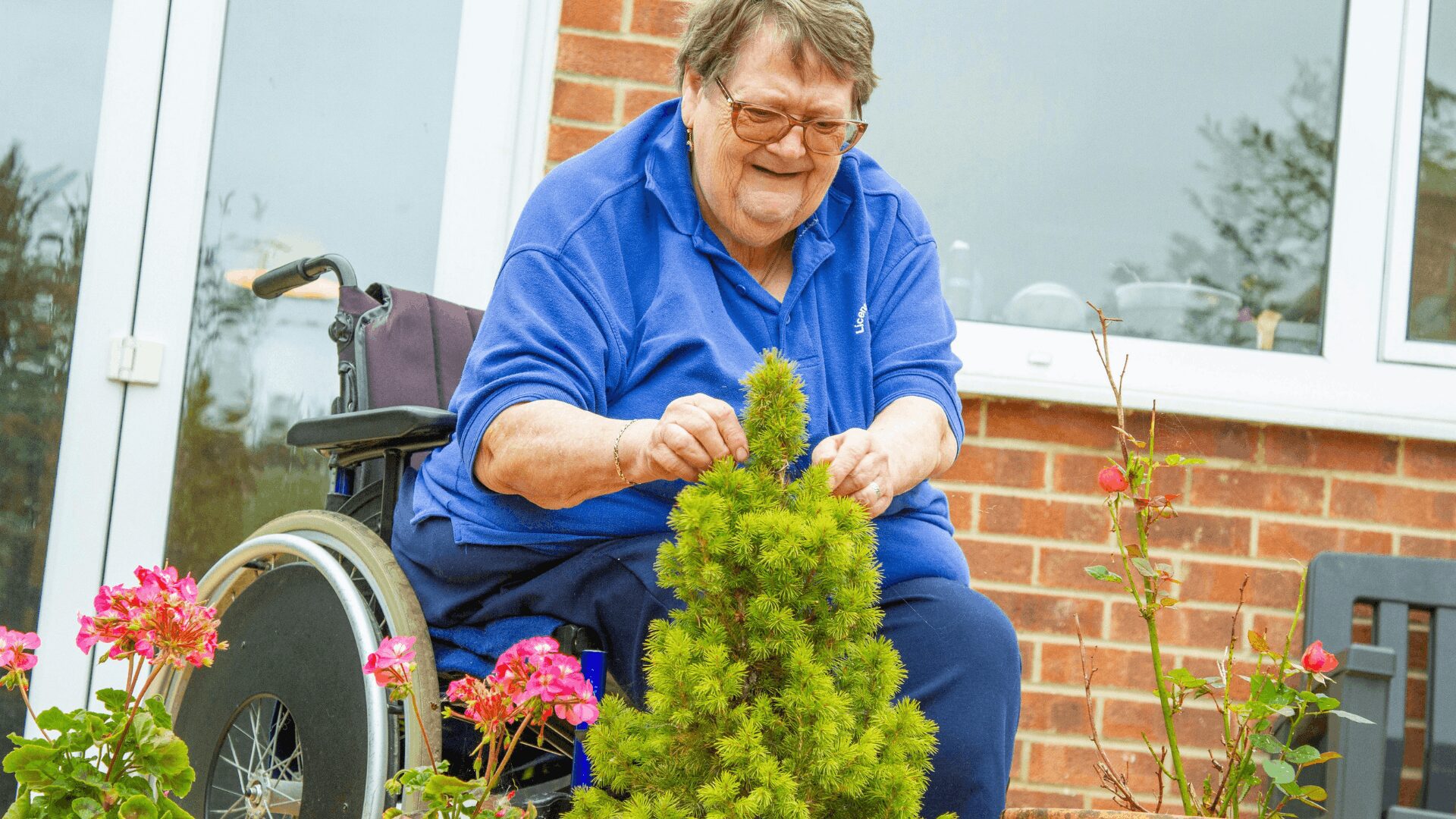
Therapeutic horticulture can also be a strong fit within physical rehabilitation, such as for people who have experienced a stroke, because many gardening tasks involve functional, whole-body movement patterns.
Depending on the activity, horticulture may involve:
- Reaching
- Grasping and pinch patterns
- Bilateral coordination
- Standing tolerance
- Weight shifting
- Squatting or stepping
- Upper extremity range of motion
- Postural control
- Endurance through sustained activity
What makes this especially valuable is that these movements occur within purposeful, goal-directed activity rather than isolated exercise alone.
For many clients, transferring seedlings, carrying watering cans, arranging flowers, or harvesting herbs can feel more motivating than repetitive drills. The therapeutic target may remain the same, but the experience often feels more engaging and meaningful.
Cognitive Benefits Through Natural Task Demands
Many horticulture activities naturally invite cognitive engagement without feeling burdensome.
Examples include:
- Sequencing steps during planting
- Attention during watering or pruning
- Memory through plant-care routines
- Problem-solving when plants decline
- Planning and organization in garden tasks
- Decision-making during harvesting or propagation
Because these demands arise organically through the task, they can feel more natural than worksheet-based exercises.
A client who resists formal cognitive tasks may willingly engage in remembering which plants need sun, sorting seed packets by season, or following a simple propagation routine.
Group Work That Feels More Natural
Therapeutic horticulture lends itself especially well to group-based intervention settings.
Meaningful, task-based activity creates more natural opportunities for conversation compared to formats centred entirely on verbal sharing. People can work side by side, exchange ideas, ask for help, or contribute to a shared project without pressure to speak for the sake of speaking.
Over time, gardening groups may support:
- Social confidence
- Peer encouragement
- Leadership opportunities
- Belonging
- Shared identity
- Confidence through contribution
Many practitioners notice that when hands are busy, conversation often becomes easier.
For individuals who find direct talking-based groups difficult, gardening can provide a more accessible and collaborative path into connection.
Physical Environment Matters: A Shared OT Principle
In addition to the social environment discussed above, occupational therapists understand that participation is heavily impacted by the physical environment.
Again, therapeutic horticulture strongly reflects this principle.
Thoughtfully designed gardening spaces may include:
- Raised beds at varied heights
- Roll-under access for seated participants
- Stable seating and kneeling supports
- Clear pathways
- Adaptive tools
- Quiet sensory zones
- Opportunities for passive engagement through viewing plants or wildlife
Even outside of formal sessions, these spaces can continue offering therapeutic benefits simply by being welcoming, calming, and accessible places to spend time.

Why Occupational Therapists Often Excel in TH Practice
Occupational therapists already bring many skills that translate directly into therapeutic horticulture, including:
- Activity analysis
- Task grading
- Tool and environmental adaptation
- Body mechanics and positioning
- Goal planning
- Functional outcome thinking
- Client-centred collaboration
In many cases, the learning curve is less about becoming a horticulturist overnight and more about recognizing how plant-based occupations can be intentionally used within clinical reasoning.
Therapeutic horticulture often feels familiar to OTs because so many of its core principles are already part of OT practice.
Practical Ways to Begin
You do not need a greenhouse or dedicated garden program to begin integrating TH.
Many occupational therapists start with realistic, small-scale approaches such as:
- Desktop herb gardens for routine and responsibility
- Indoor propagation jars for motivation and observation
- Flower arranging for range of motion and creativity
- Seed starting for sequencing and fine motor work
- Patio containers for balance, standing tolerance, or group engagement
- Nature-based metaphors around growth, resilience, or change
Sometimes one plant, used intentionally, is enough to create meaningful therapeutic opportunities.
Therapeutic Horticulture Training for Occupational Therapists
Many occupational therapists are interested in therapeutic horticulture but are unsure of where to start. Root in Nature offers practical online training designed for allied health professionals who want to integrate nature into practice with confidence.
Our courses explore:
- Foundations of therapeutic horticulture
- Aligning plant-based activities with therapeutic goals
- Adapting activities across populations and settings
- Environmental design and adaptive tools
- Applications for physical, cognitive, emotional, and social outcomes
Whether you work in rehabilitation, mental health, geriatrics, community care, or wellness settings, therapeutic horticulture can become another practical and motivating tool within your OT practice.
Final Thoughts
Therapeutic horticulture is not a departure from occupational therapy principles; in many ways, it is an extension of them.
When meaningful activity, supportive environments, adaptation, and participation are already central to your work, plants and gardening can offer another pathway into the outcomes you are helping clients achieve.
Sometimes the next therapeutic tool is not more complex.
Sometimes it is a tray of seedlings, a watering can, and the chance to help someone grow.
Ready to bring therapeutic horticulture into your OT practice? Explore Root in Nature’s online therapeutic horticulture training designed for occupational therapists and allied health professionals
Frequently Asked Questions
What is the difference between therapeutic horticulture and horticultural therapy?
Therapeutic horticulture and horticultural therapy both use plants and gardening to support wellbeing, but they differ in scope. Therapeutic horticulture is a goal-oriented, professionally facilitated practice that supports broad health and wellbeing outcomes. Horticultural therapy is a more clinically defined treatment approach, usually delivered by a credentialed horticultural therapist with documented goals and outcomes within a healthcare context.
Do occupational therapists need a certification to use therapeutic horticulture?
Occupational therapists do not typically need a separate certification to incorporate therapeutic horticulture into their practice, since it falls within their existing scope of using meaningful occupations. However, dedicated therapeutic horticulture training is highly recommended to build confidence, deepen clinical reasoning, and ensure activities are thoughtfully adapted, graded, and aligned with therapeutic goals.
What conditions can therapeutic horticulture support?
Therapeutic horticulture can support a wide range of conditions, including stroke and other neurological recovery, anxiety, depression, dementia, developmental differences, chronic illness, and burnout. Because activities can be graded and adapted, therapeutic horticulture is suitable across mental health, physical rehabilitation, paediatric, geriatric, and community wellness settings.
Is therapeutic horticulture evidence-based?
A growing body of research supports the benefits of therapeutic horticulture and nature-based interventions for mental health, cognition, physical function, and social wellbeing. While the evidence base continues to develop, therapeutic horticulture is widely considered an evidence-aligned, occupation-based approach that complements established occupational therapy frameworks. To make this research more accessible, Root in Nature hosts an open Therapeutic Horticulture Research & Readings Database — a free, organized collection of peer-reviewed studies, case studies, and meta-analyses for practitioners, researchers, educators, and allied health professionals.
How can I get trained in therapeutic horticulture as an occupational therapist?
Root in Nature offers online therapeutic horticulture training and continuing professional development (CPD) courses designed for occupational therapists and other allied health professionals. Courses cover the foundations of therapeutic horticulture, activity adaptation across populations, environmental design, and practical applications for physical, cognitive, emotional, and social outcomes.