

Have you ever planned a therapeutic horticulture session and realized that plant sourcing is the most stressful part?
Choosing where plants come from affects more than your budget. It influences your timeline, your storage needs, your facilitation energy, and ultimately the experience participants have in your program. A beautiful activity plan can quickly unravel if plants arrive late, arrive damaged, or cost more than expected.
The good news? There isn’t one “right” way to source plants. Most programs benefit from a blend of purchasing strategies and simple propagation, used intentionally depending on timing, group needs, and available space.
This blog walks through the main plant-sourcing pathways—in-person retail, online vendors, wholesale suppliers, and propagation from existing plants—with a therapeutic horticulture lens. The goal isn’t to do everything at once, but to build a reliable, realistic system that works for your setting.
Table of Contents
What is plant sourcing in therapeutic horticulture?
Plant sourcing in therapeutic horticulture refers to the process of obtaining, purchasing, or propagating plants used in structured gardening-based therapy programs. It includes retail buying, wholesale ordering, online purchasing, and in-house propagation.
Four Ways to Source Plants for Therapeutic Horticulture Programs
Most therapeutic horticulture programs rely on some combination of the following:
- In-person retail vendors
- Online/mail-order retail vendors
- Wholesale suppliers
- Propagation from plants you already have
Each option comes with strengths and trade-offs. Understanding them clearly helps you make decisions proactively instead of reactively.
Quick Comparison: Plant Sourcing Methods for Therapeutic Horticulture
| Method | Best For | Cost | Required Planning | Space Needed |
|---|---|---|---|---|
|
Retail |
Immediate Needs |
Higher |
Low |
Minimal |
|
Online |
Specialty Plants |
Moderate |
Medium |
Minimal |
|
Wholesale |
Large Programs |
Low Per Plant |
High |
Moderate-High |
|
Propagation |
Long-term Sustainability |
Lowest Over Time |
Medium |
Ongoing |
1. Buying Plants from Local Garden Centres and Retail Stores
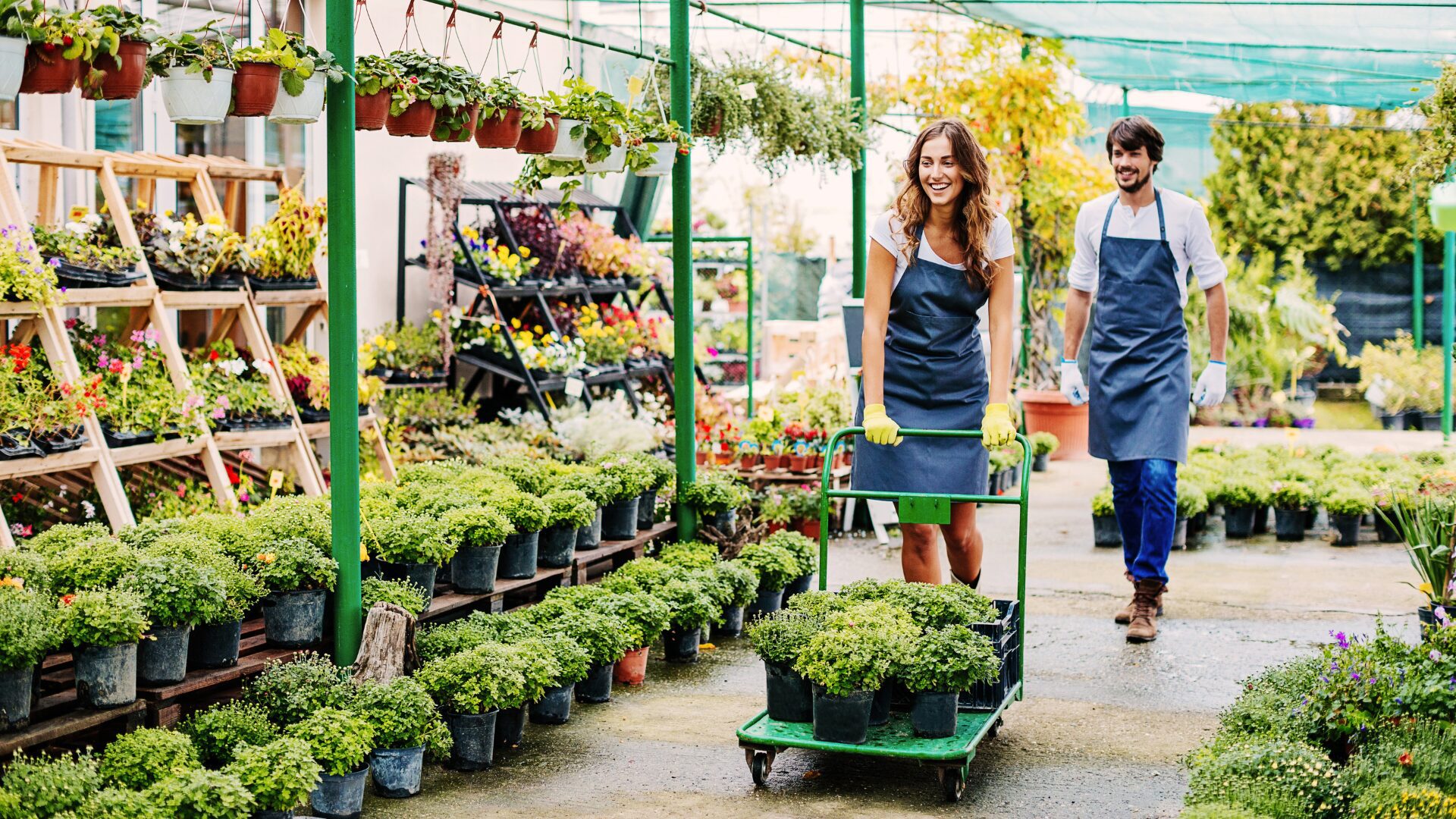
Local garden centres, nurseries, hardware stores, and big-box retailers are often the most familiar option, and for good reason.
Why retail works well in TH settings
- Immediate access: You can buy plants the same day you need them.
- Flexibility: No minimum orders; easy to adjust quantities.
- Plant inspection: You can check for pests, disease, or stress before purchasing.
This makes retail a strong choice for short-notice programming, pilot sessions, or smaller groups where precision matters more than volume.
The main limitations
- Higher per-plant cost, especially for finished, potted plants.
- Time and transportation: Staff time, travel, and logistics add up.
- Limited bulk value compared to wholesale options.
A helpful rule of thumb many practitioners use is to mentally check the per-participant material cost. For example, a $5–$6 succulent may be reasonable for a small group but becomes costly when scaled across multiple sessions or large groups.
Practical retail strategies
- Seasonal bargains: In spring and fall, watch for bagged rhizomes, tubers, and corms. These are often inexpensive and well-suited to educational sessions. They can be planted in the ground when the season permits or started in pots in a nursery prior to planting or selling at a plant sale.
- Clearance racks: Many stores offer discounted plants that are still viable with basic care. Just be sure to look for pests and disease before purchase.
- Free containers: Clearance areas, garden centers, and landscaping companies often stockpile reusable trays and pots and are happy to have them taken (with permission), giving them a second life for propagation and potting up.
Safety note: Clearance plants should be isolated initially. A simple quarantine routine helps prevent pests or disease from spreading into shared program spaces.
2. Ordering Plants Online for Therapeutic Horticulture
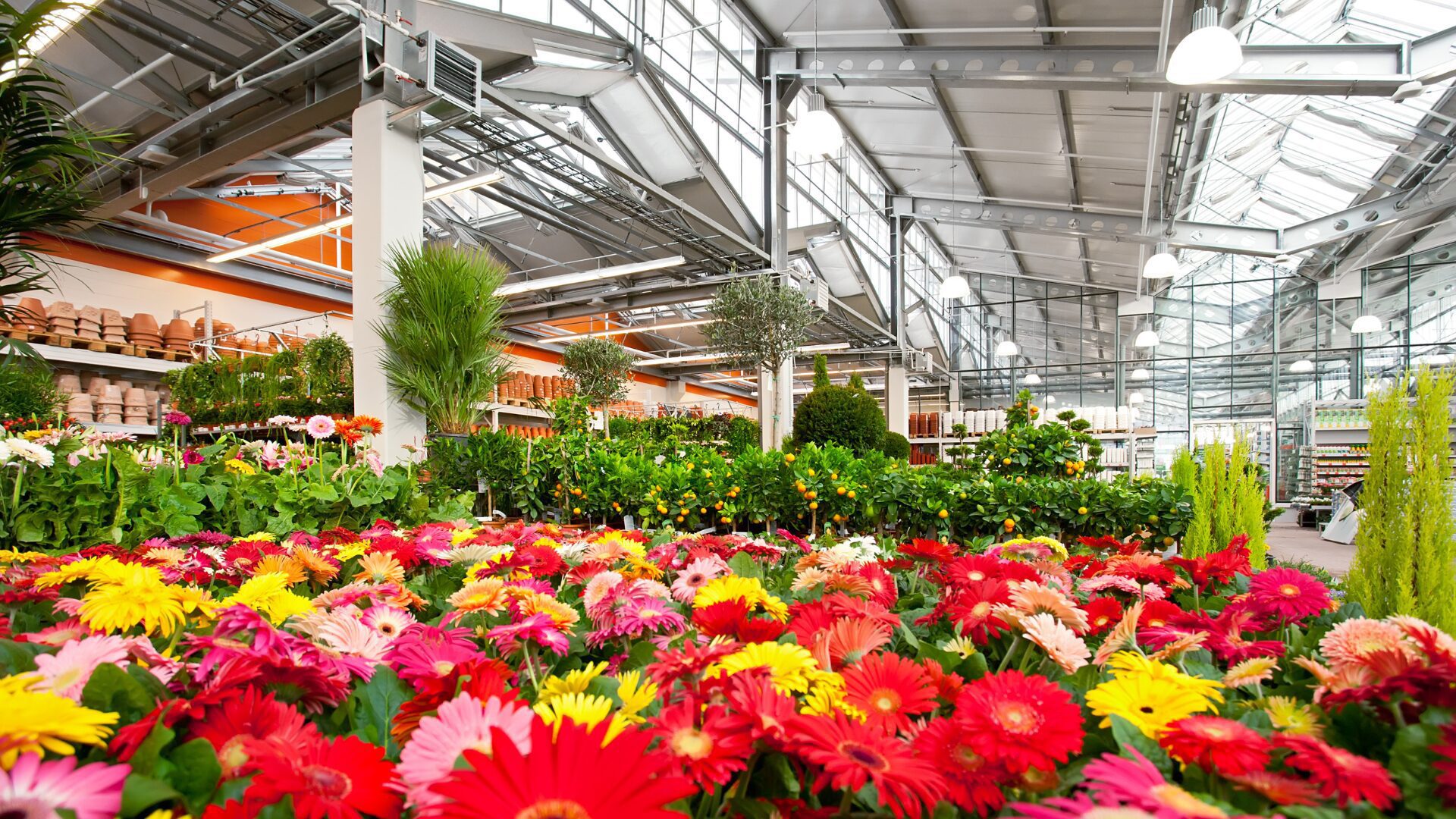
Ordering plants online can dramatically expand your options, but it requires planning.
Why practitioners use online vendors
- Wide selection, including plants not available locally.
- Convenience, especially when transportation is limited.
- Bulk discounts in some cases.
Online vendors can be especially useful when sourcing specialty plants or consistent varieties across multiple sites.
The trade-offs
- Shipping costs can quickly offset savings.
- Delays or damage during transit are common risks.
- No pre-inspection—you only see the plants once they arrive.
Timing matters here. If your sessions are tied to specific dates, shipping delays can create stress.
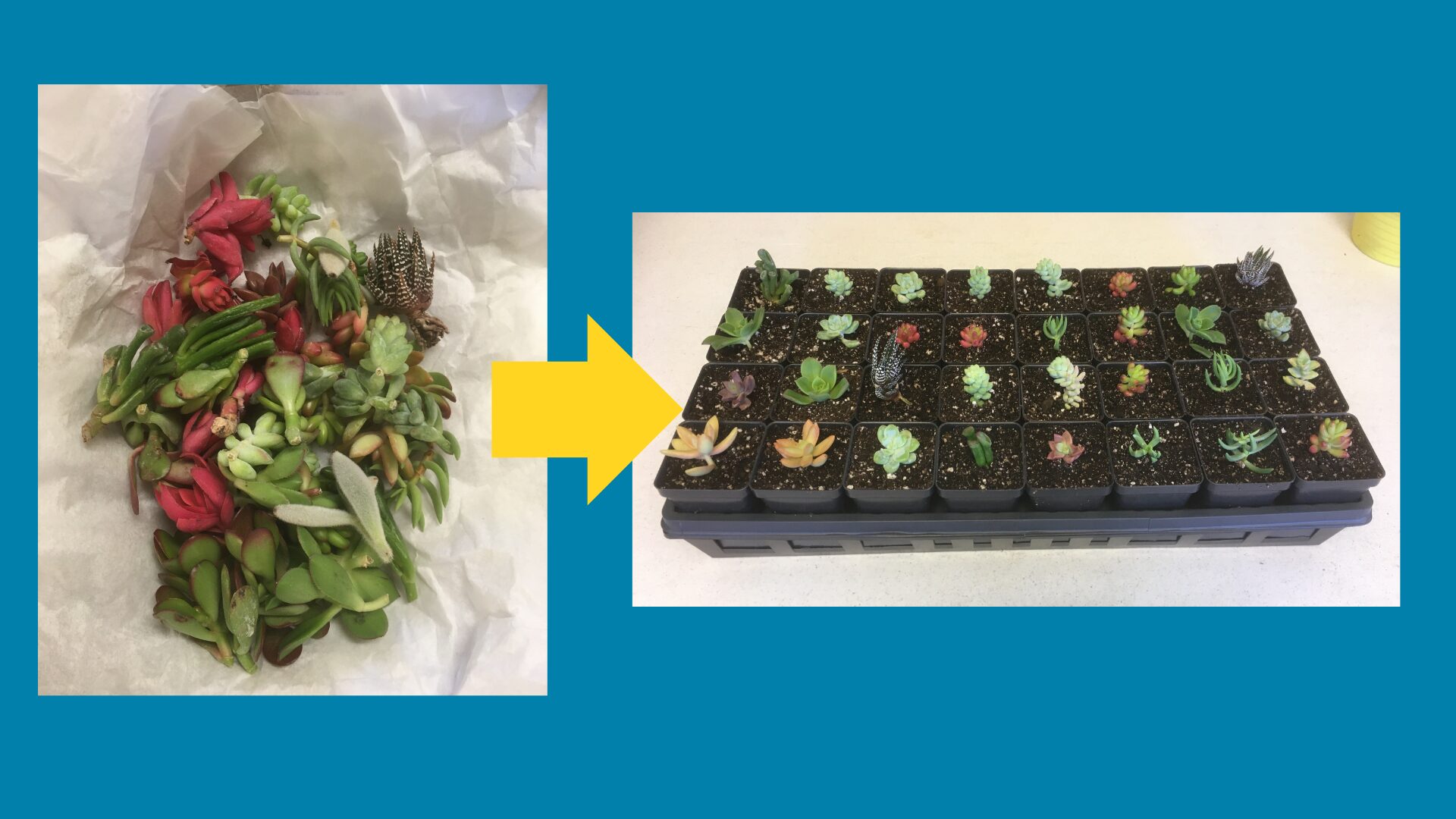
A useful example: unrooted succulent cuttings
Many online suppliers ship unrooted succulent cuttings wrapped dry. These can be a cost-effective alternative to fully potted plants and work well in TH sessions focused on:
- Placing cuttings into soil
- Observing early rooting
- Learning about plant resilience and regeneration
They’re lighter to ship, always cheaper than potted succulents, and align well with hands-on learning, provided you allow time for establishment.
3. Using Wholesale Plant Suppliers for Therapy Programs
Wholesale suppliers are often underused in smaller programs, but they can be powerful when conditions are right—especially for organizations running multi-session programs, concurrent groups, or garden installations and overhauls.
Why wholesale works
- Lower cost per plant
- Bulk availability
- Access to professional-grade supplies
- Consistent inventory across seasons
Wholesale purchasing makes the most sense when programs can plan ahead and benefit from economies of scale.
What to plan for
- Minimum order requirements
- Account setup (often requiring business or tax-exempt status)
- Shipping logistics
- Less flexibility once orders are placed
One hidden cost to consider is space. Plants purchased in bulk, whether small or large, need room to be staged, watered, and monitored before use.
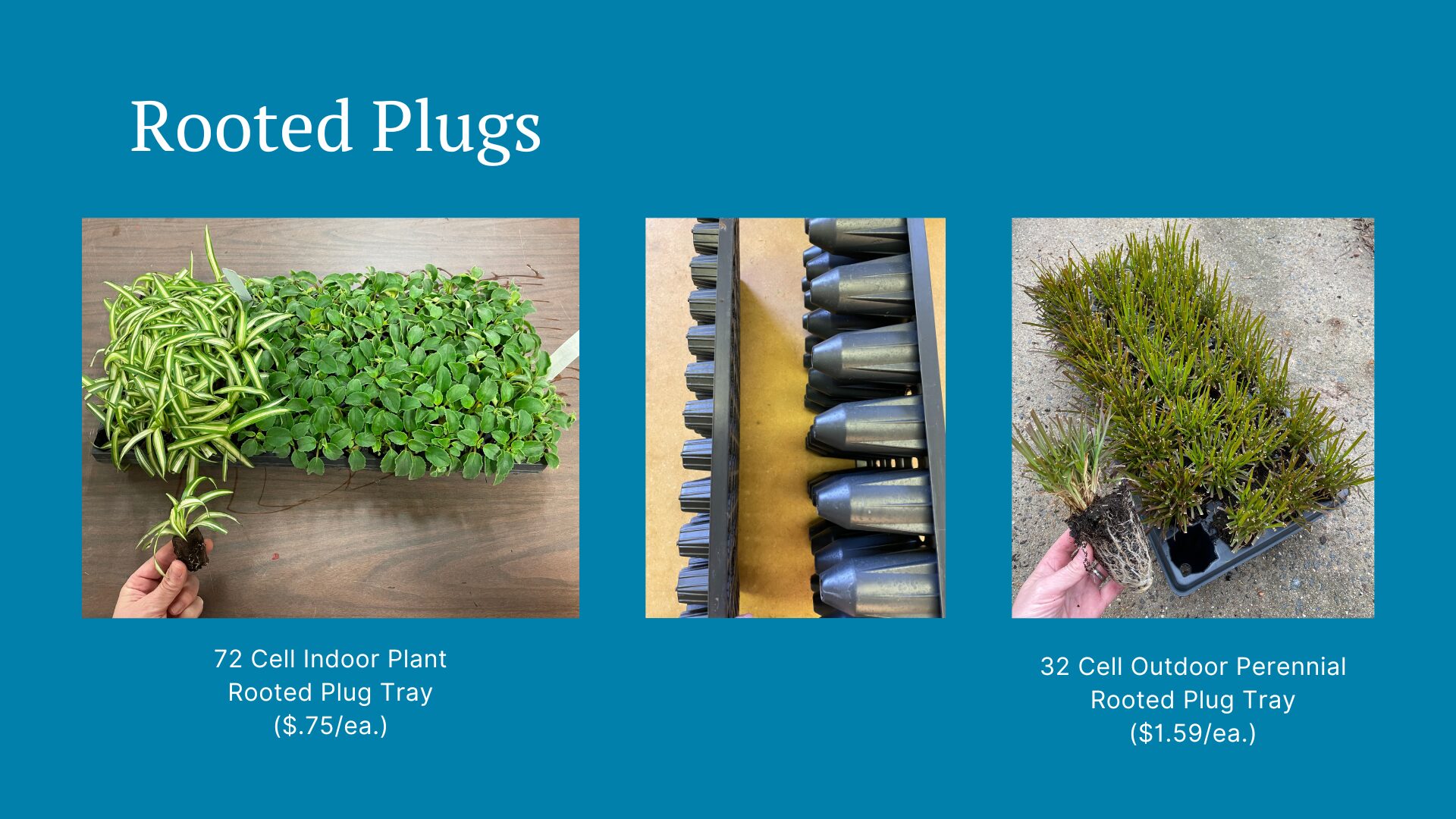
Rooted plugs: a common entry point
Rooted plugs are young plants grown in trays and are often the first wholesale option practitioners encounter.
They’re useful because they:
- Establish faster than seeds
- Are uniform in size
- Cost less than retail plants
However, trays can be large. Ordering 100 plugs may sound efficient, but once potted up, those plants require significant bench or shelf space. This is where planning—and sometimes splitting trays with another program or selling extras at plant sales—becomes essential.
Finished plants: when bigger can actually be cheaper
Finished plants, often in 4″, 6″, or 1-gallon sizes, can be significantly cheaper through wholesale suppliers than retail, even though they’re larger and more established.
In many cases:
- A standard, 1-gallon plant purchased wholesale almost always costs less than a 4”, 6″, or 1 gallon pot at retail
- Plants arrive ready to use, reducing labour and care time
- There’s less risk compared to plugs (no potting-up phase, fewer losses)
For therapeutic horticulture programs, finished wholesale plants can be especially helpful when:
- Sessions are scheduled soon after delivery
- You have plenty of storage or staging space or if you plan to use the plants quickly after receiving them
- Participants want or need experience transplanting or working with more mature plants (especially relevant in vocational programs)
- The program prioritizes reliability and speed over long lead-time propagation
- You’re installing or modifying a garden and want instant results
While finished plants take up more space per unit, they often reduce overall workload and can be the most cost-effective option when time, staffing, or participant needs are the primary constraints.
A facilitation-focused takeaway
Wholesale purchasing isn’t just about buying more plants—it’s about choosing the right form of plant for your program context.
- Plugs work well when you have time, space, and interest in growing plants on.
- Finished plants often make more sense when you need predictable outcomes with less prep.
Both can be excellent tools in therapeutic horticulture when selected intentionally.
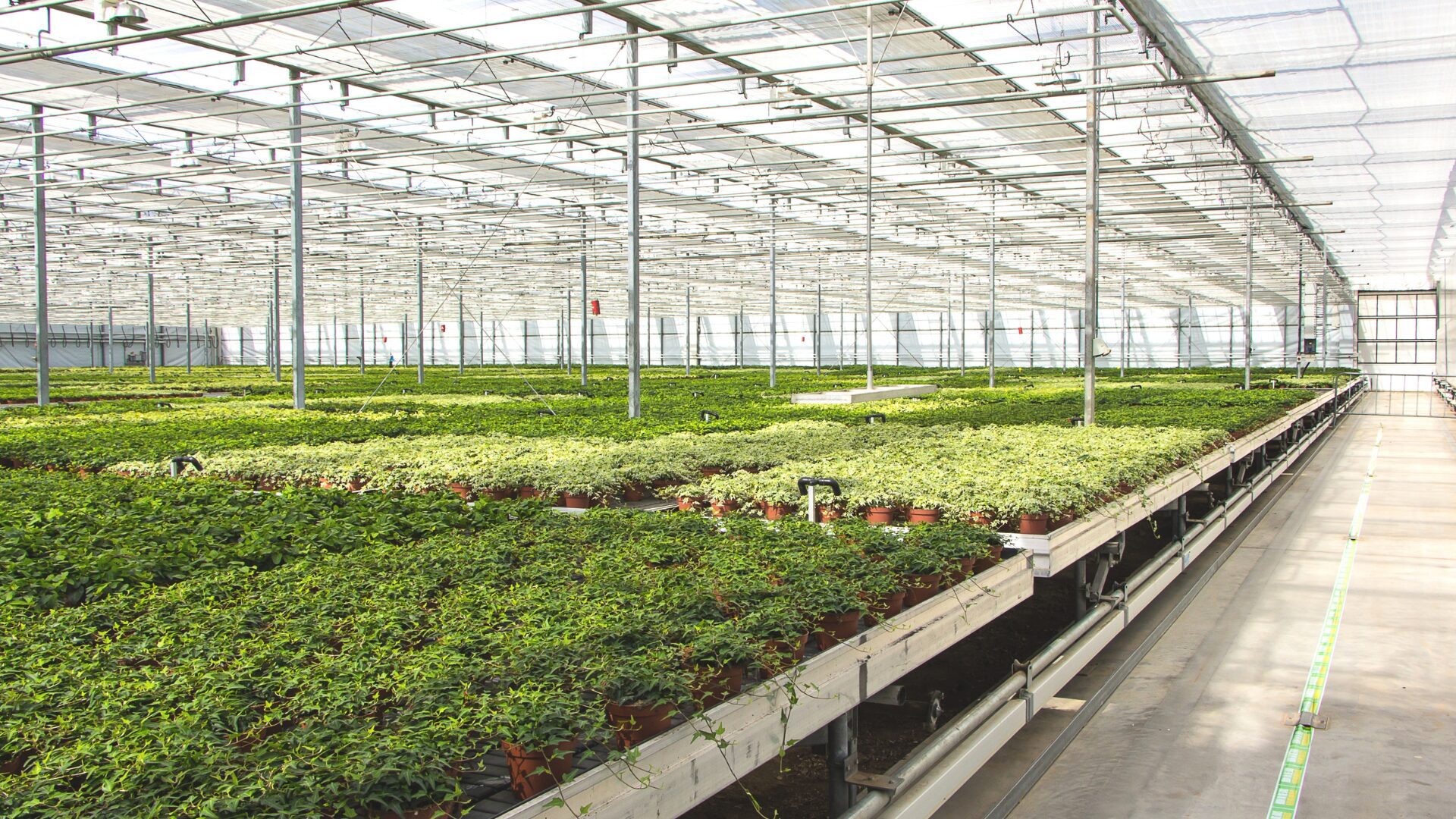
4. Propagation: Growing Your Own Plants for Therapy Programs
Purchasing plants is only part of the picture. Propagation, or growing new plants from existing ones, can become your most sustainable and cost-effective long-term strategy.
That said, propagation isn’t “free plants.” It requires time, consistency, and space. When done thoughtfully, though, it supports both program logistics and therapeutic goals.
Seed vs. vegetative propagation
Seeds are valuable, but in therapeutic horticulture they can be unpredictable, slow, and require a great deal of attention that not every practitioner can give. This post focuses on vegetative propagation (rather than asexual propagation = seeds), which tends to be:
- Faster
- More reliable
- Easier to link cause and effect
- Better suited to many participant groups
Vegetative propagation allows participants to see tangible progress within a realistic timeframe.
Why vegetative propagation fits TH programming
From a facilitation perspective, vegetative propagation offers several advantages:
- Predictable outcomes, which build confidence
- Clear cause-and-effect learning
- Lower long-term costs
- Transferable skills participants can try at home
It also supports pacing. Some participants may complete a simple step (placing a cutting in water), while others engage more deeply with preparation and care.
The realities to plan for
Propagation does require:
- Ongoing care routines
- Dedicated staging space
- Acceptance that some losses will happen
- Basic supplies (media, trays, clean tools, light)
Starting small helps prevent overwhelm.

How to Build a Simple Propagation Starter Kit
Start with stock plants
Stock plants (also called mother plants) are healthy, established plants used for repeated propagation. Caring for them well is essential—they’re the foundation of your system.
Core vegetative propagation methods (TH-friendly)
Vegetative propagation includes several distinct methods, each relying on different plant structures and growth habits. Understanding what part of the plant is being used—and why that part can generate new growth—helps practitioners choose methods that match their program goals, timelines, and participant capacities.
Rather than mastering every technique, it’s often more helpful to become familiar with the core categories and then build depth over time.
1. Stem Cuttings
Stem cuttings involve removing a portion of a plant’s stem that includes at least one node, the point where leaves and roots can form. In many plants, new roots develop at or just below these nodes when conditions are right. Stem cuttings can be rooted in water or in growing media, depending on the plant and the goals of the activity. This method is widely used in therapeutic horticulture because it offers relatively fast feedback and clear cause-and-effect learning.
Common plants propagated by stem cuttings include:
pothos, philodendron, tradescantia, coleus, rosemary, basil, mint, geranium
2. Leaf Cuttings
Leaf cuttings use a whole leaf or part of a leaf to generate a new plant. In certain species, leaf tissue contains the ability to regenerate roots and shoots when placed in appropriate conditions. This method tends to progress more slowly than stem cuttings, making it a good fit for programs that emphasize observation, patience, and ongoing care rather than quick results. Leaf cuttings also adapt well to lower-dexterity activities because they often involve fewer steps and tools.
Common plants propagated by leaf cuttings include:
succulents (e.g., echeveria, jade), African violets, snake plant (Sansevieria), begonias
3. Offsets and Pups
Offsets (sometimes called pups) are small, self-contained plants that form naturally at the base or along the sides of a parent plant. These offshoots already have some independent structure and can often be separated and potted with minimal intervention. Because the plants are essentially “pre-started,” this method is low-risk and highly intuitive for participants. It works well across mixed-ability groups and supports confidence-building through early success.
Common plants that produce offsets or pups include:
spider plant, aloe, haworthia, bromeliads, some succulents
4. Runners and Stolons
Runners (or stolons) are horizontal stems that grow along the surface of the soil and form new plants at their nodes. While still attached to the parent plant, these nodes can root when they come into contact with growing media. Once established, the new plants can be separated and grown independently. This method is particularly effective for demonstrating plant spread and connection, as participants can clearly see how one plant gives rise to another.
Common plants propagated by runners or stolons include:
spider plant, strawberry, creeping charlie, some grasses
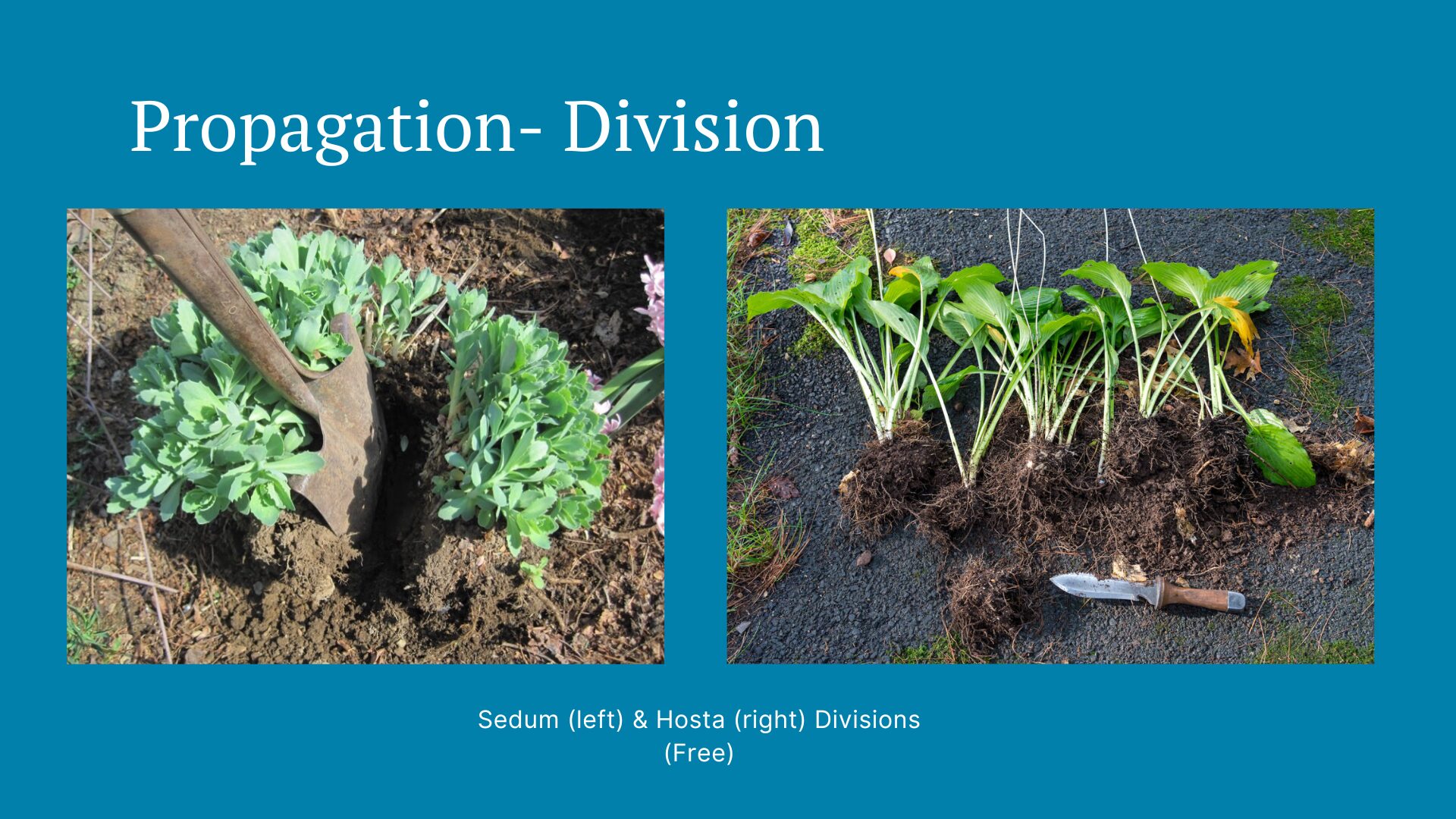
5. Rhizomes, Tubers, and Division
These propagation methods rely on underground or structural plant parts rather than leaves or stems. Rhizomes are horizontal stems that grow below or along the soil surface, tubers are thickened storage structures with growth points (often called “eyes”), and division involves separating a mature plant into multiple sections, each with roots and shoots. Division is often the simplest entry point for propagation programming because it is highly reliable and closely tied to seasonal garden maintenance.
Common plants propagated through rhizomes, tubers, or division include:
iris, ginger, turmeric, hosta, daylily, ornamental grasses, potatoes
When selecting stock plants for propagation, it’s also important to consider safety in shared care environments.
What can you do with propagated plants?
Propagation supports programs beyond a single session:
- Use plants in future activities
- Offer take-home plants when appropriate
- Fill gaps in garden beds or indoor displays
- Support plant sales that help fund programming
Thinking ahead turns propagation into a program asset, not just an activity.
A therapeutic horticulture lens
Propagation isn’t just about producing plants. It supports:
- Observation and patience
- Routine and responsibility
- Agency and confidence
- Learning through doing
You don’t need to master every method. Many practitioners learn alongside participants, gradually expanding skills as comfort grows. That “organic learning” approach is often what makes propagation feel accessible rather than intimidating and there are many training videos online to learn and deepen your skill set!
Bringing It All Together
Strong plant sourcing systems reduce last-minute stress and help protect practitioner energy, which in turn supports participants—who are often quick to sense when a facilitator feels rushed, stressed, or overwhelmed, which can unintentionally undermine the therapeutic process. Purchasing strategies meet immediate needs; propagation builds stability over time.
For spring planning, consider choosing one small improvement:
- Establish a clearance-plant intake routine
- Trial a small wholesale plug order
- Set up one stock plant for ongoing propagation
Over time, these small steps add up to a more resilient, sustainable therapeutic horticulture program, one plant at a time. If you’re ready to build that kind of sustainable program from the ground up, explore our Introduction to Therapeutic Horticulture course here.
Frequently Asked Questions
What is the most cost-effective way to source plants for therapeutic horticulture?
Propagation and wholesale purchasing are typically the most cost-effective methods for long-term programs.
Can therapeutic horticulture programs use clearance plants safely?
Yes, with proper inspection and quarantine to prevent pest or disease spread.
Are plugs or finished plants better for therapeutic programs?
Plugs are economical but require time and space. Finished plants offer immediate use with less preparation.
How far in advance should I order plants for a therapy program?
Wholesale and online orders should be placed 3–6 weeks in advance to reduce stress and allow for contingencies.