RESEARCH
Increasing Prevalence of US Elementary School Gardens, but Disparities Reduce Opportunities for Disadvantaged Students
Summary
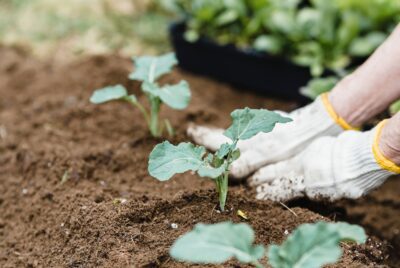
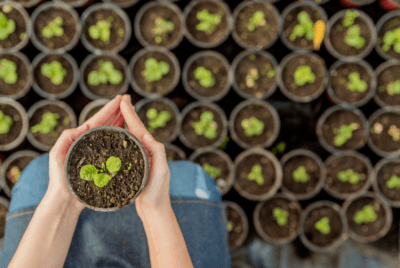
This study looked at how many public elementary schools in the U.S. have garden programs, how that number has changed over time, and whether some schools are more likely to have gardens than others. From 2006 to 2014, the number of schools with gardens grew significantly—from about 12% to over 31%. However, the study also found big differences based on region, income level, and school setting. Schools in the western U.S. and urban areas were much more likely to have gardens, while schools in rural areas, small towns, and those serving low-income students were less likely to have them.
The study showed that schools with gardens were also more likely to offer nutrition education and be part of farm-to-school programs, which help kids learn about and access fresh fruits and vegetables. While school gardens can improve kids’ knowledge about nutrition, increase their willingness to try new vegetables, and even help them do better in science, many schools—especially those with fewer resources—still don’t have access to them. The researchers suggest that more funding, support, and community involvement are needed to expand these programs, especially in disadvantaged schools where they could make the biggest impact.