RESEARCH
Influences of Horticultural Therapy and Functional Recovery Training at a Day-Care Center for the Elderly and Text Mining of Care Records by AI
Summary
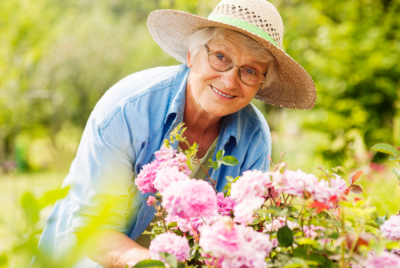
This study looked at how combining horticultural therapy with functional recovery training could improve the physical and mental well-being of older adults attending a day-care facility in Japan. After the COVID-19 pandemic, many seniors experienced declines in cognitive and physical health due to isolation and limited care access. The researchers followed 36 elderly participants and divided them into three groups: one received standard care, another added passive horticultural therapy (like hand care or garden viewing), and the third group combined horticultural therapy with physical rehabilitation tools (such as posture charts and red cord systems). Researchers measured changes in cognitive function, emotional well-being, and daily living ability over two years.
The study found that seniors who participated in horticultural therapy—especially when combined with active physical training—had better cognitive test scores and improved ability to carry out daily tasks. They also showed lower levels of depression compared to those who only received standard care. AI-based text mining of care records also revealed more frequent and meaningful documentation of improvements in posture, bathing, and rehabilitation after functional equipment was introduced. These findings suggest that combining natural, enjoyable activities with structured physical training can boost both physical and emotional outcomes in elderly care setting.