Toggle Side Panel
Root in NatureRoot in Nature
  • GrowTH Network
  • Courses
    • Courses Overview
    • Certificate Pathway
    • Introduction to Therapeutic Horticulture
    • Advanced Facilitation Skills
    • Foundations & Facilitation
    • Testimonials
  • About
    • About Us
    • Newsletters & Blog
    • News & Media
    • Impact Reports
    • Our Partners
    • Contact
  • Therapeutic Horticulture
    • Therapeutic Horticulture
    • Research Database
    • Virtual Experience: Gardening for Wellness
    • Benefits
  • For Organizations
    • Team Training & Resources
    • Colleges & Universities
    • Primary & Secondary Schools
    • Employee Wellness: Nature at Work
More options

    Shopping Cart

    No products in the cart.

    Sign in
    • GrowTH Network
    • Courses
      • Courses Overview
      • Certificate Pathway
      • Introduction to Therapeutic Horticulture
      • Advanced Facilitation Skills
      • Foundations & Facilitation
      • Testimonials
    • About
      • About us
      • Newsletters & Blog
      • News & Media
      • Impact Reports
      • Our Partners
      • Contact us
    • Therapeutic Horticulture
      • Therapeutic Horticulture
      • Research Database
      • Benefits
    • For Organizations
      • Team Training & Resources
      • Colleges & Universities
      • Primary & Secondary Schools
      • Employee Wellness: Nature at Work
    • Login
    Close search
    RESEARCH

    THE INFLUENCE OF THERAPEUTIC HORTICULTURE ACTIVITIES ON QUALITY OF LIFE (QoL) ISSUES

    All participants (100%) reported enjoying working outdoors during the therapeutic horticulture activities. Over 96.3% of the 27 respondents indicated a desire to attend public gardening activities regularly in the future.
    Program Types: Therapeutic, Social
    Population Groups: Children/Youth, Mental Health Challenges/Trauma, General Population
    Setting or Context: Schools/Educational Settings, Urban vs. Rural Settings, Natural Areas/Parks/Forest
    Health and Wellness Outcomes: Improved Mental Health, Enhanced Emotional Well-being, Greater Sense of Purpose, Increased Sense of Belonging (Reduced Isolation), Improved Stress Management, Sensory Stimulation, Increased Social Engagement & Skills, Increased Horticultural Knowledge, Increased Self-Efficacy
    Allied Profession Intersections: Occupational Therapy
    Type of Activity: Sensory Stimulation, Outdoor Gardening, Edible Plant Gardening, Plant Propagation
    Evidence Type: Meta-Analyses/Systematic Reviews
    Access: Free
    Print Form

    Summary

    This experimental study, detailed in “Art92.pdf”, aimed to analyze the influence of gardening activities on Quality of Life (QoL) issues, including physiological, safety, social, esteem, and self-actualization statements. Conducted among randomly selected volunteer subjects at the University of Agricultural Sciences and Veterinary Medicine Cluj-Napoca, Romania, the research involved 27 participants (4 men, 23 women) aged 19 to 32, who had pre-test scores indicating mild to moderate or moderate to severe depression. Participants engaged in therapeutic horticulture sessions for different durations: 3 days, 10 days, or 6 weeks, involving activities like seeding, planting, weeding, and pruning. The study employed a post-test survey, adapted from a 24-question version (Waliczek et al., 1996) to a 15-statement form with Yes/No answers, designed based on Maslow’s hierarchy of needs (Maslow, 1943; Desmet & Fokkinga, 2020) to interpret the influence of the activities. The context for the study includes the increasing disconnect from nature due to urbanization and the impact of the COVID-19 pandemic, which highlighted the role of gardens as refuges.

    The results showed largely positive perceptions among participants regarding the influence of therapeutic horticulture on QoL. Across various categories evaluated by the survey, volunteers reported positive experiences, including enjoyment of working outside and in the soil, identifying gardening with nature, feeling safe in the green space, and appreciating the aesthetic and therapeutic aspects. Social benefits were also reported, such as enjoying meeting and helping others, though a significant portion also enjoyed working alone. Participants felt pride in their work and a sense of accomplishment, contributing to self-esteem. The sessions were widely perceived as offering a chance to relax. Correlation analysis suggested a significant positive influence of gardening activities on volunteer well-being, particularly for women across different session durations, although correlations for men and between genders were less significant or negative in some cases. Overall, the findings support that therapeutic horticulture is a positive activity that can enhance well-being and address depression symptoms, even in the context of public health crises.

    Link

    Buru, T., Buta, E., & Cantor, M. (2022). The influence of therapeutic horticulture activities on quality of life (QOL) issues. Scientific Papers. Series B. Horticulture, 66(1)


    Other Recommended Research

    Garden Fresh Pizza

    Participants create pizzas with garden-fresh ingredients.

    Mindful Terrarium Observations

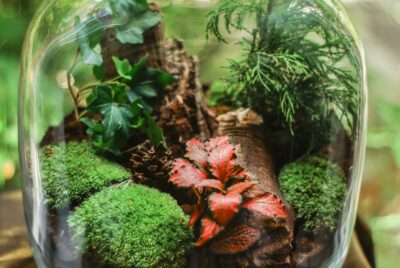
    Facilitators guide participants through mindful observations of a terrarium.

    Seed Starting

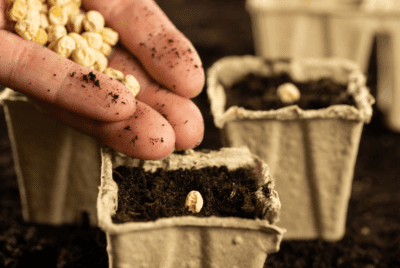
    Participants plant seeds and learn about best practices for seed starting.

    “Connecting people and the earth”: the occupational experience of people with different capabilities participating in an inclusive horticultural social enterprise

    This thesis examines how a gardening-based social enterprise helps people of all abilities by providing meaningful work, social connections, and a sense of belonging. While it highlights the benefits of inclusion and community participation, it also points out challenges like funding and governance that need to be addressed for long-term success.

    ‘The nourishing soil of the soul’: The role of horticultural therapy in promoting well-being in community-dwelling people with dementia

    Gardening can help people with dementia feel more active, connected, and less lonely by improving their physical and mental well-being. The article highlights the need for more accessible gardening programs in the community to support social engagement and a better quality of life.

    ‘Into the Wild’: A meta-synthesis of talking therapy in natural outdoor spaces

    This Meta-synthesis highlights the benefits of holding therapy sessions in nature, which can reduce stress, improve mood, and enhance emotional well-being. While outdoor therapy offers unique advantages, such as greater openness and connection with nature, it also requires careful consideration of client suitability and professional training.
    Root in Nature logo
    • Courses
    • Therapeutic Horticulture
    • Contact
    • Meet the Team
    • Research & Benefits
    • News & Media
    • Privacy Policy

    Report

    There was a problem reporting this post.

    Contains abusive or derogatory content
    Contains mature or sensitive content
    Contains misleading or false information
    Contains spam, fake content or potential malware
    Harassment or bullying behavior

    Block Member?

    Please confirm you want to block this member.

    You will no longer be able to:

    • See blocked member's posts
    • Mention this member in posts
    • Invite this member to groups
    • Message this member
    • Add this member as a connection

    Please note: This action will also remove this member from your connections and send a report to the site admin. Please allow a few minutes for this process to complete.

    Report

    You have already reported this .